78% of DC voters want to end the sale of force-fed foie gras
A public-opinion poll commissioned by DC Voters for Animals finds overwhelming, cross-ward support for ending the sale of foie gras made by force-feeding birds.
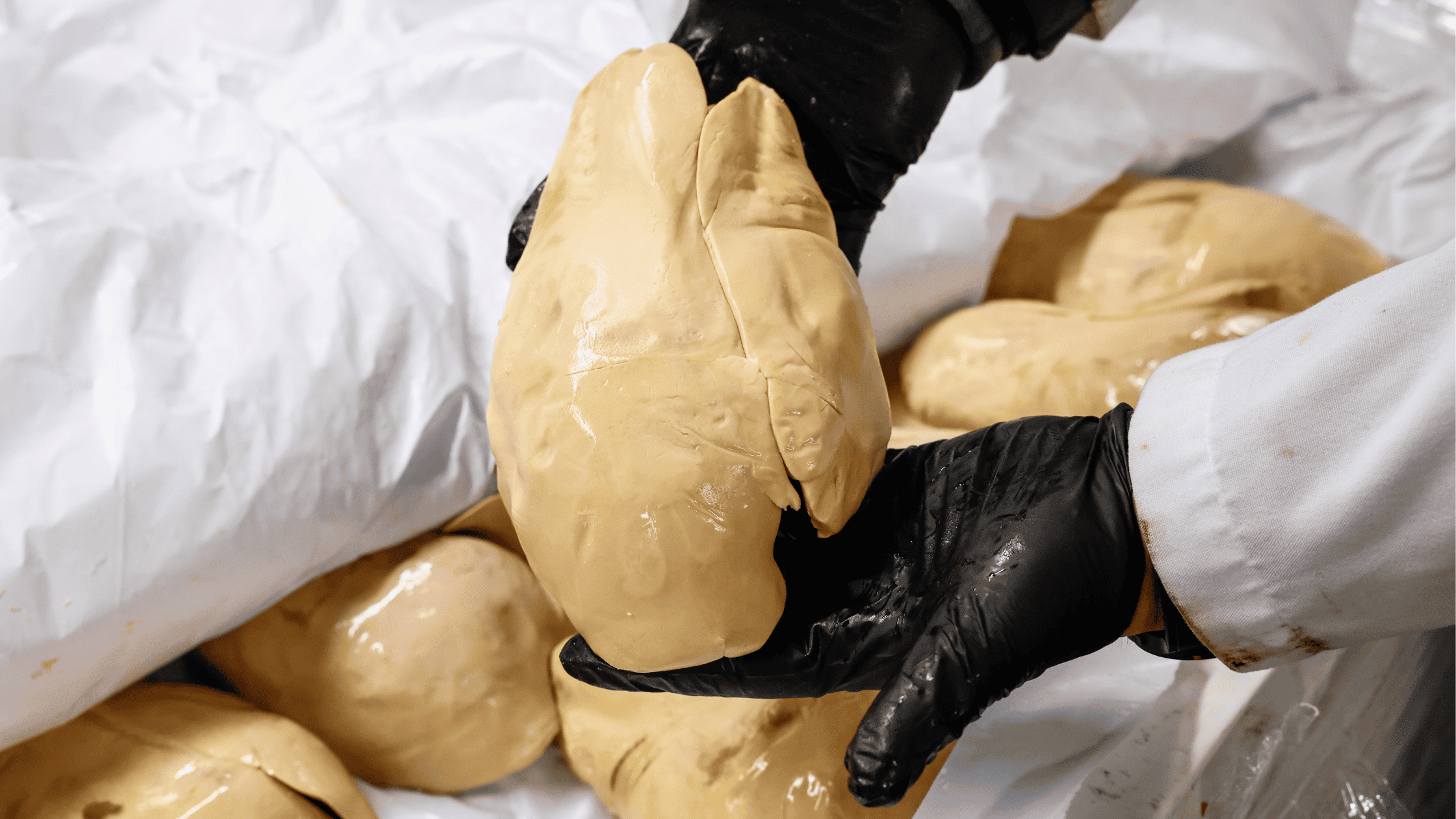
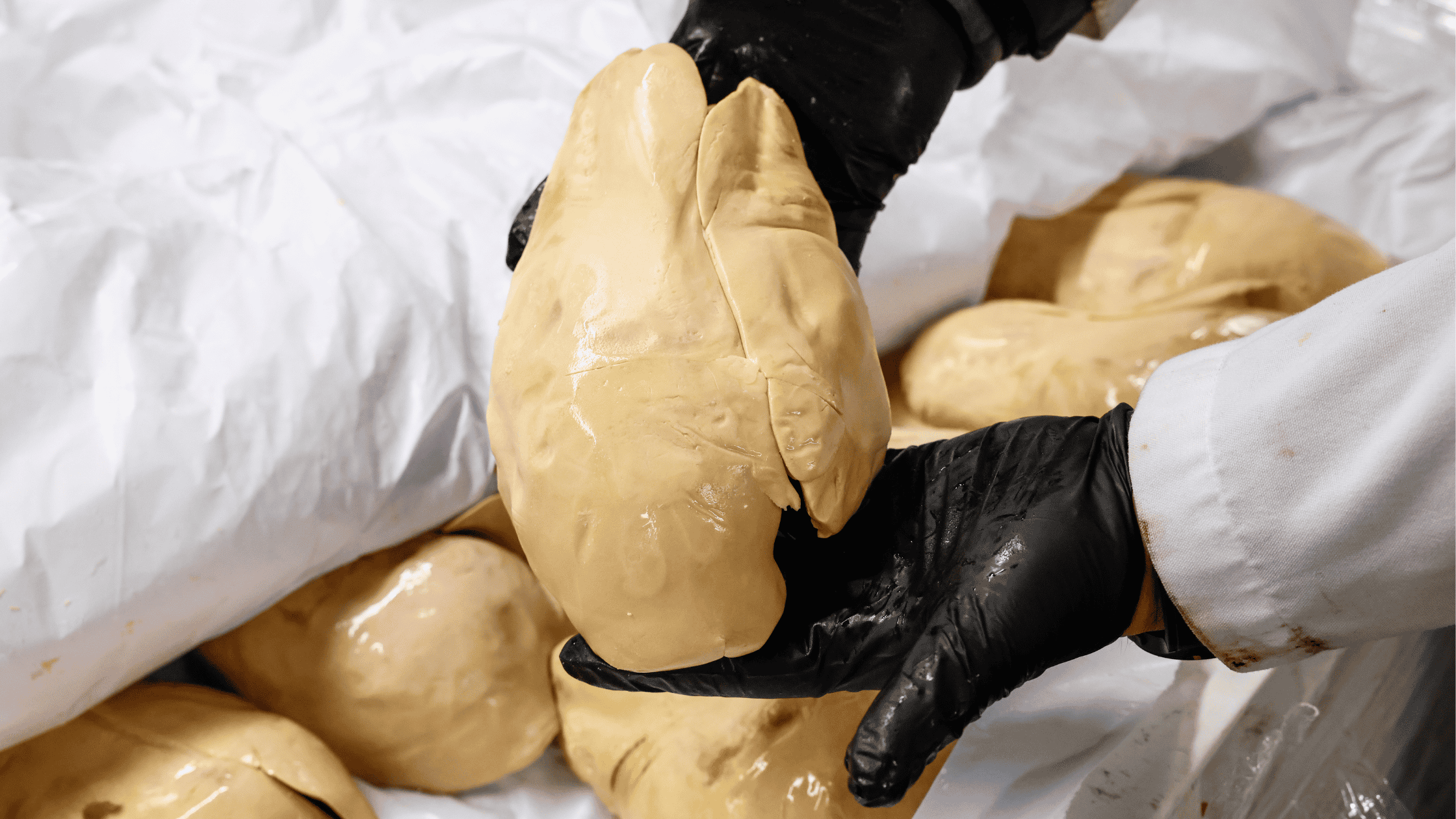
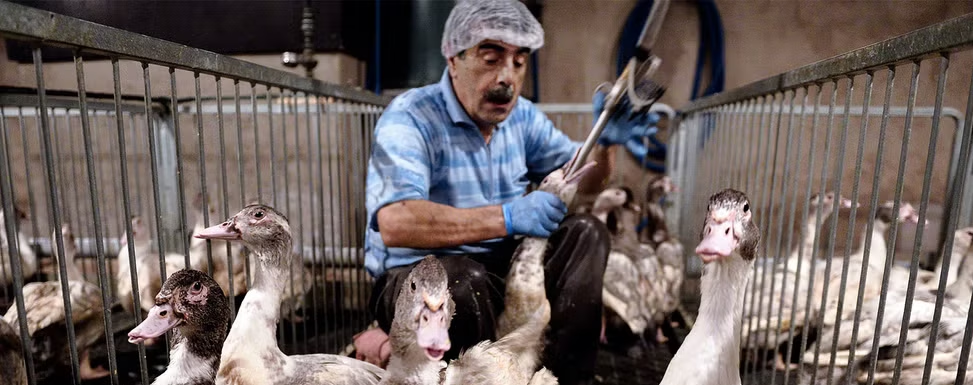
On February 19th, 2026, an independent photojournalist visited Hudson Valley Foie Gras in New York, the largest foie gras factory farm in the country and the #1 supplier to U.S. restaurants and retailers.
Independent research from Colorado State University finds that voters already strongly support banning foie gras from force‑fed ducks and geese, and that doing so is unlikely to hurt local restaurants.
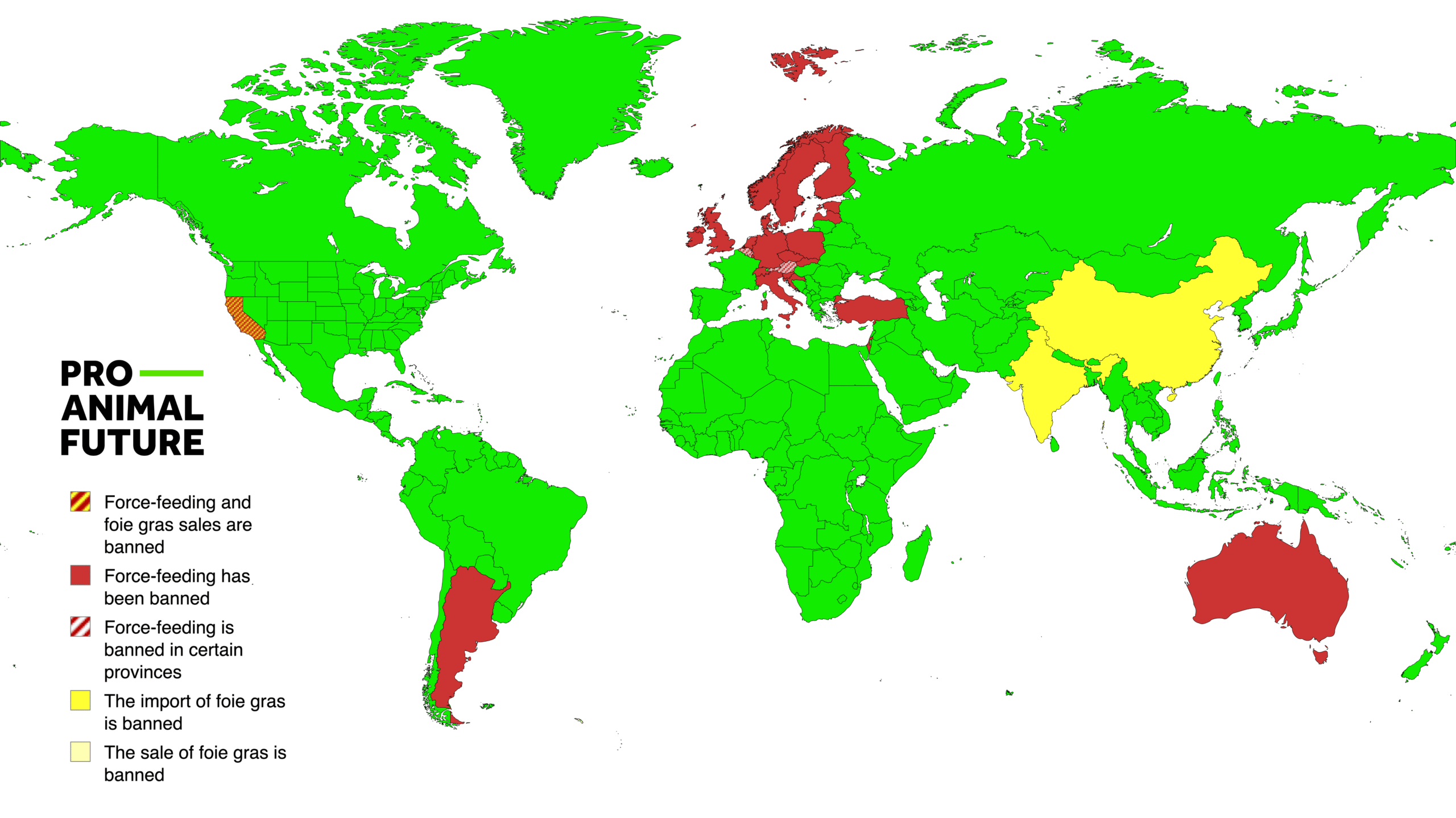
From California to Switzerland, communities worldwide are closing the door on foie gras. This guide covers the growing wave of foie gras legislation, revealing which regions have taken action across the globe.
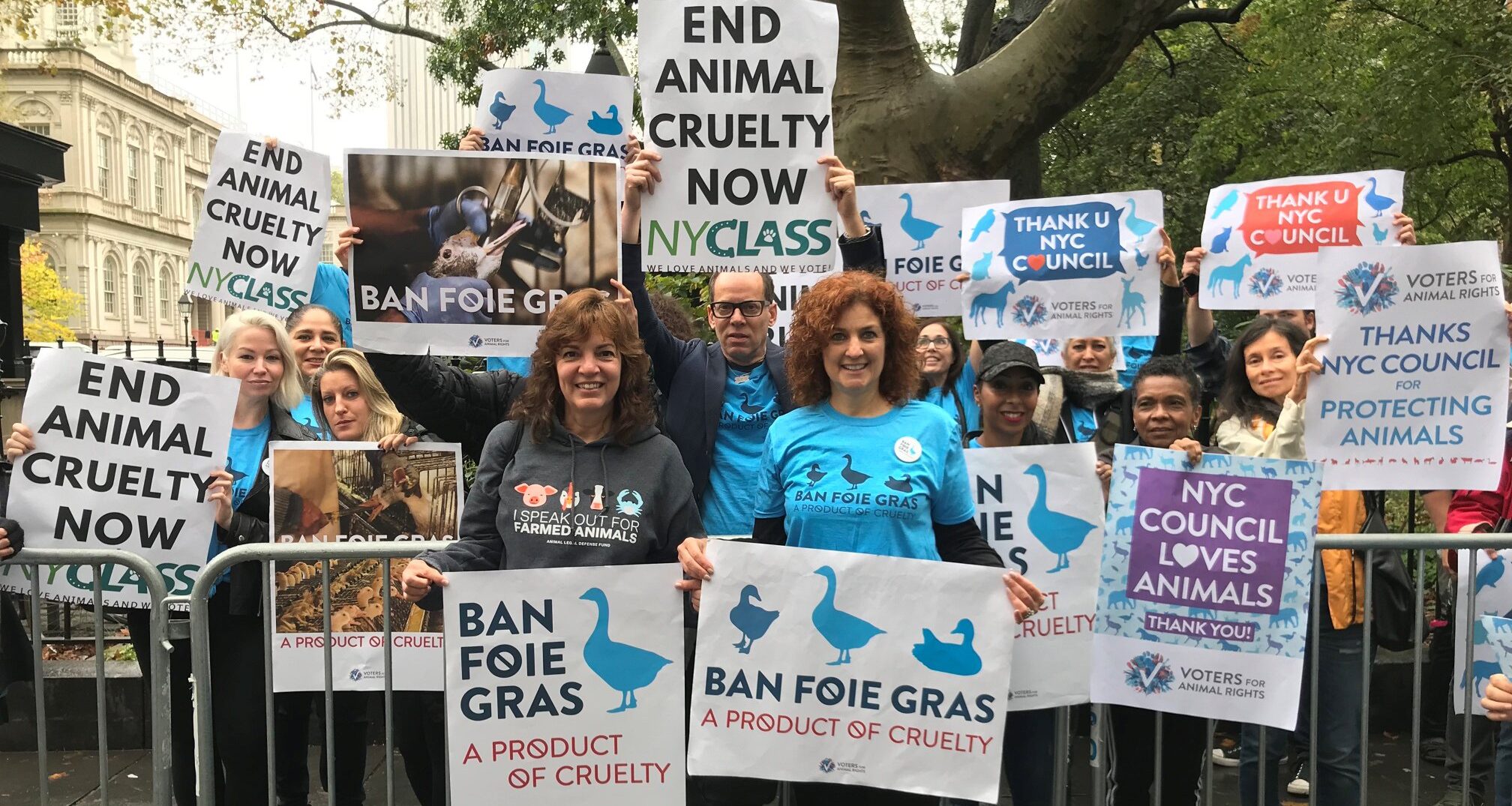
Americans have been advocating to end foie gras for decades. Lobbying and relentless public pressure have steadily pushed foie gras off menus across the country.
Behind every plate of foie gras are workers handling sick birds in dangerous, low-paid conditions. There are farmers exposed to waste and disease, and consumers served food that’s linked to contamination and neurological risk.
Why a once-fashionable “luxury” is quietly losing its grip on restaurants, retailers, and public opinion.
When an industry’s main defense strategy is hiring lawyers instead of explaining their practices, you know they’re hiding something.
Over the past few decades, a revolution has taken place at the ballot box. Activists have legalized cannabis, gay marriage, and even phased out battery cages, veal crates, and gestation crates using the purest form of direct democracy: ballot initiatives.
When we began digging into the results of our Denver ballot initiatives, one pattern was impossible to ignore: women were more supportive of our measures than men.