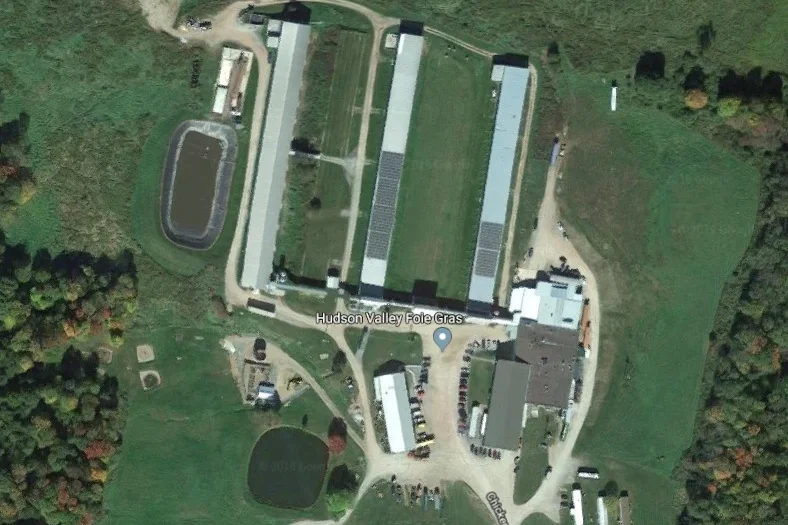
On February 19th, 2026, an independent photojournalist went to Hudson Valley Foie Gras in New York, the largest foie gras factory farm in the country and the #1 supplier to U.S. restaurants and retailers.
A note before we begin: this footage was captured during a public tour of an American foie gras farm. That means what you’re about to see represents the absolute best conditions the farm was were willing to put on display. While there is no blood or gore in this video, the force-feeding process can be difficult to watch.
This is what the photojournalist captured:
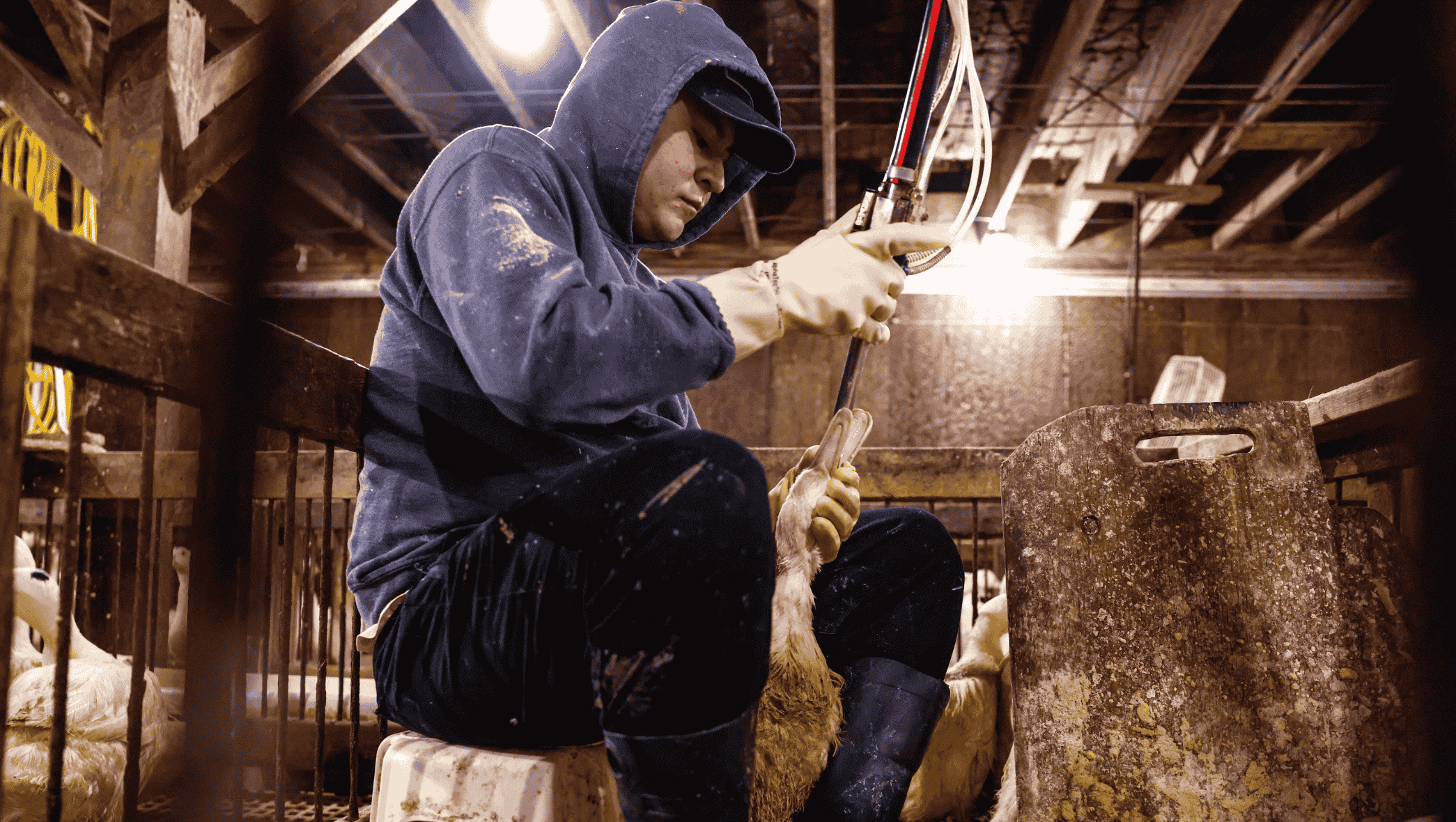
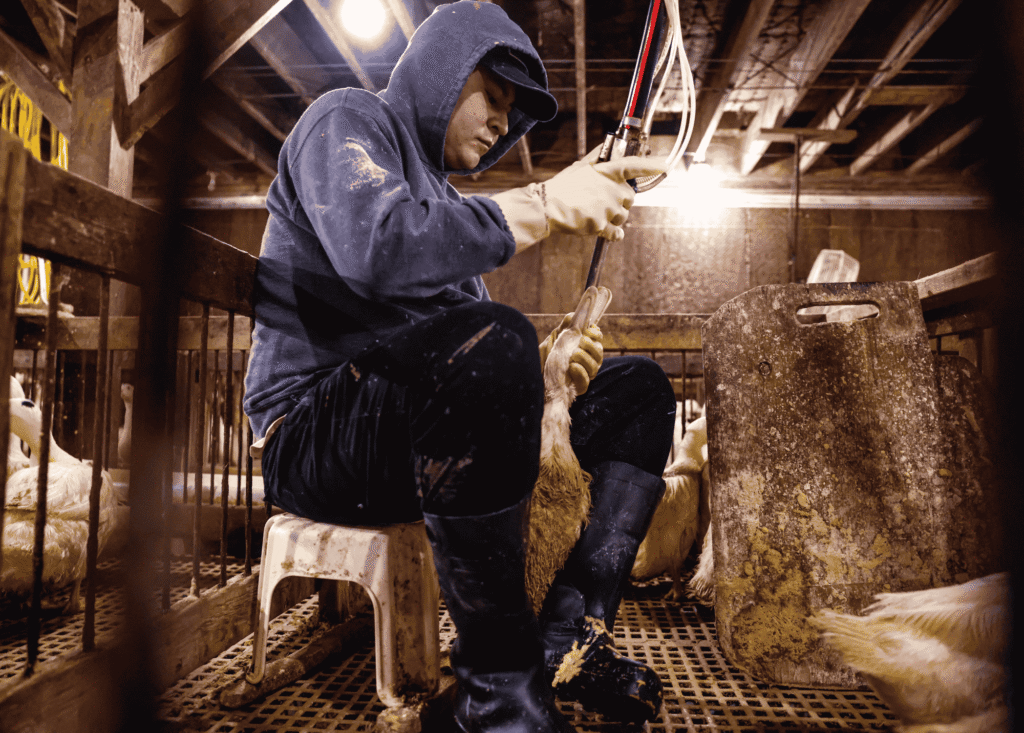
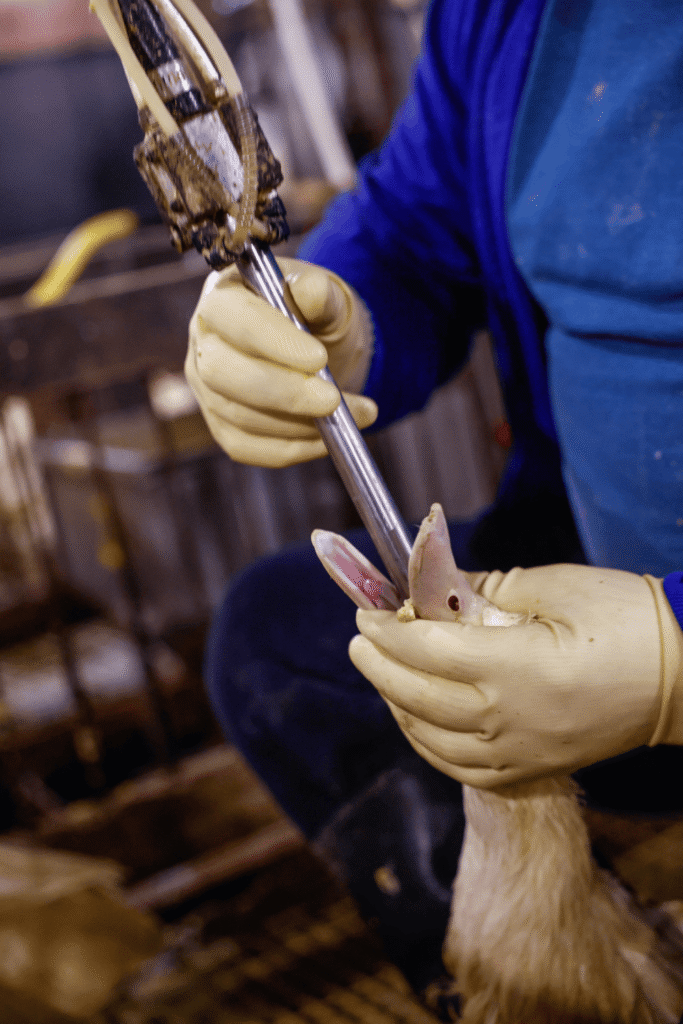
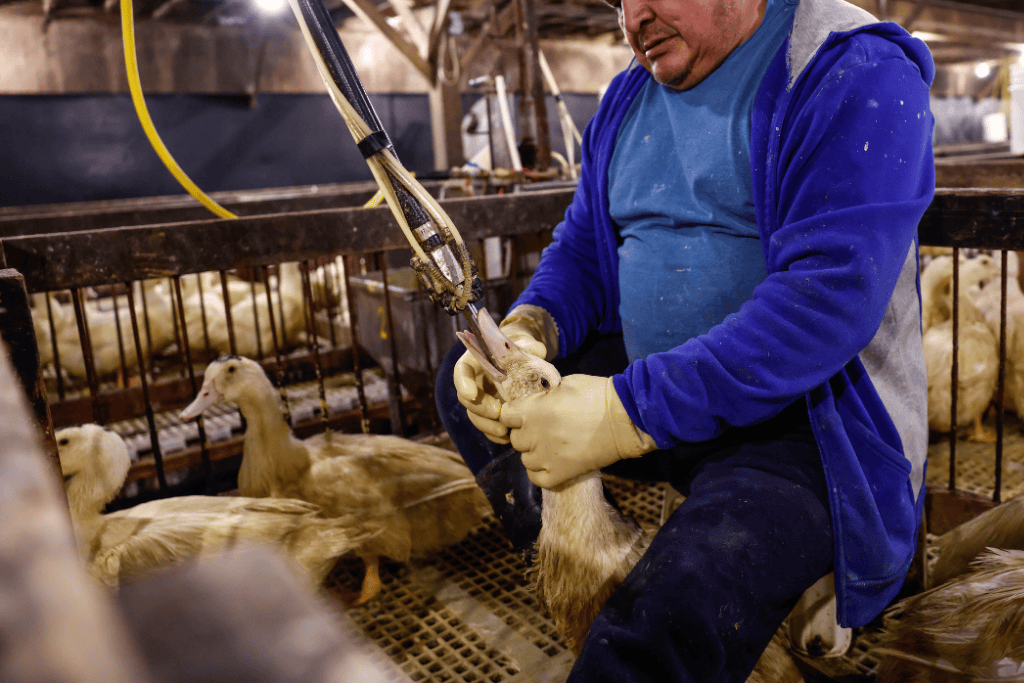
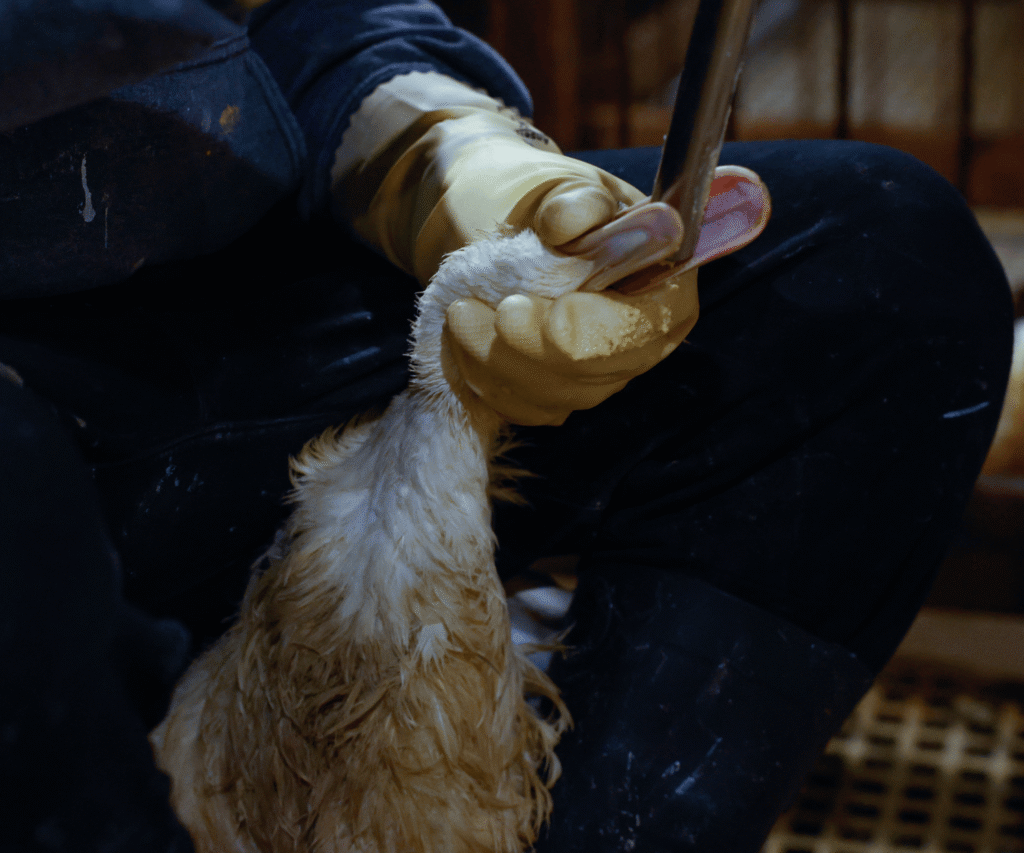
- Workers using thick, foot-long metal tubes to force-feed animals
- Birds being yanked by their necks and wings to position them for force-feeding
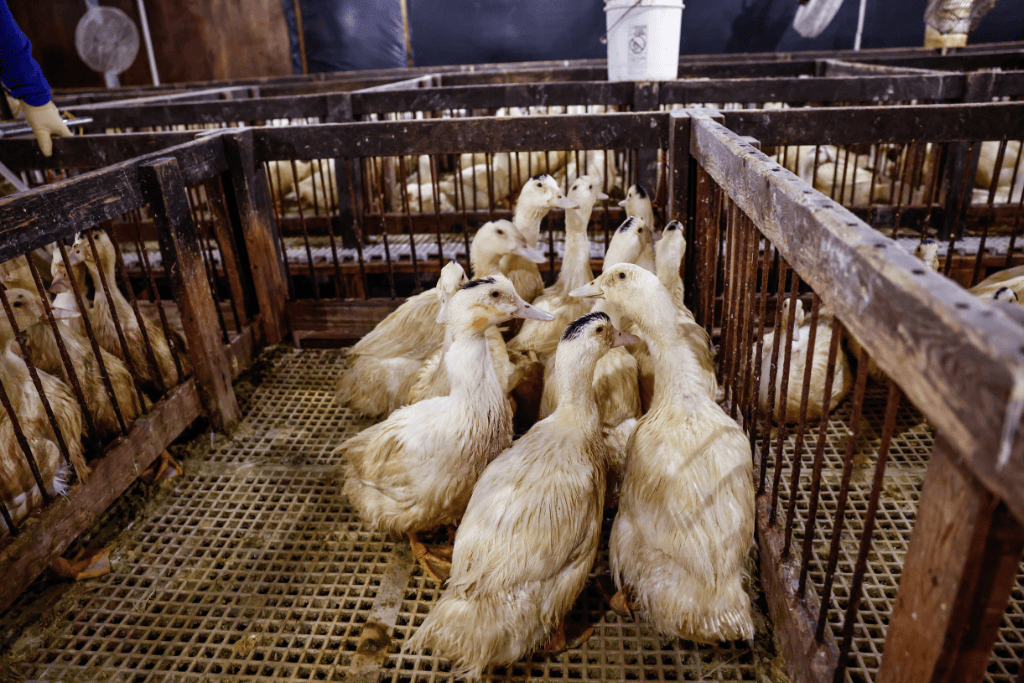
- Birds living on plastic grates coated in feces and urine, with visibly soiled feathers and inflamed, discharge-coated eyes
- Ducks attempting to vocalize while their beaks were forcibly held open
- Ducks seen crowding into the corners of their pens, climbing over each other, and spreading their wings in an attempt to avoid the feeding tube
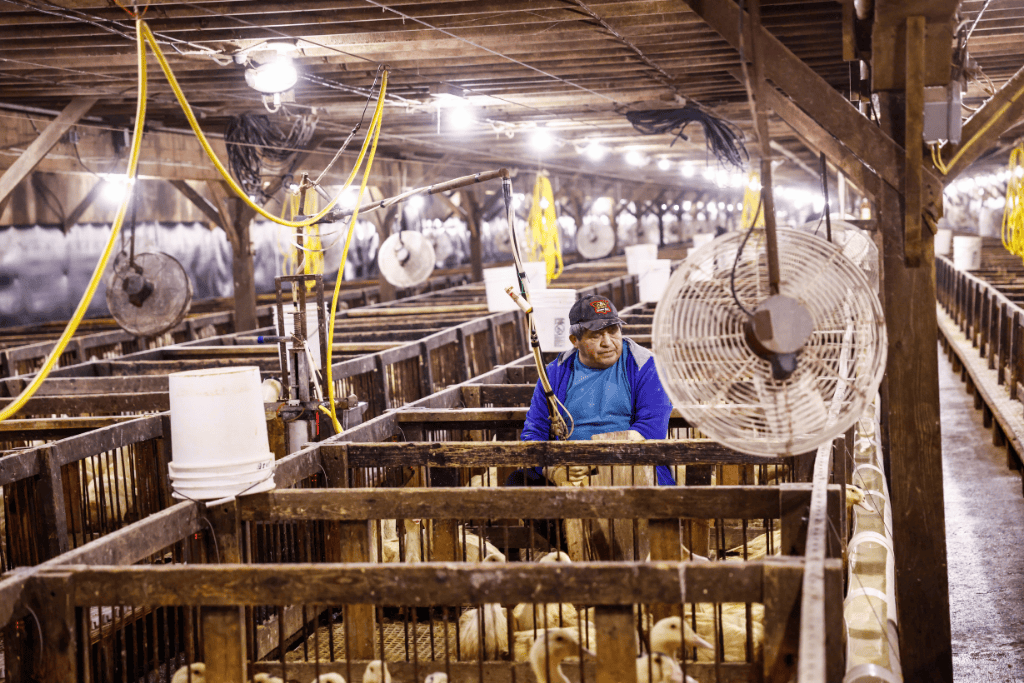
- Birds living in crowded, artificially lit barns, unable to bathe themselves or submerge their heads due to lack of access to water
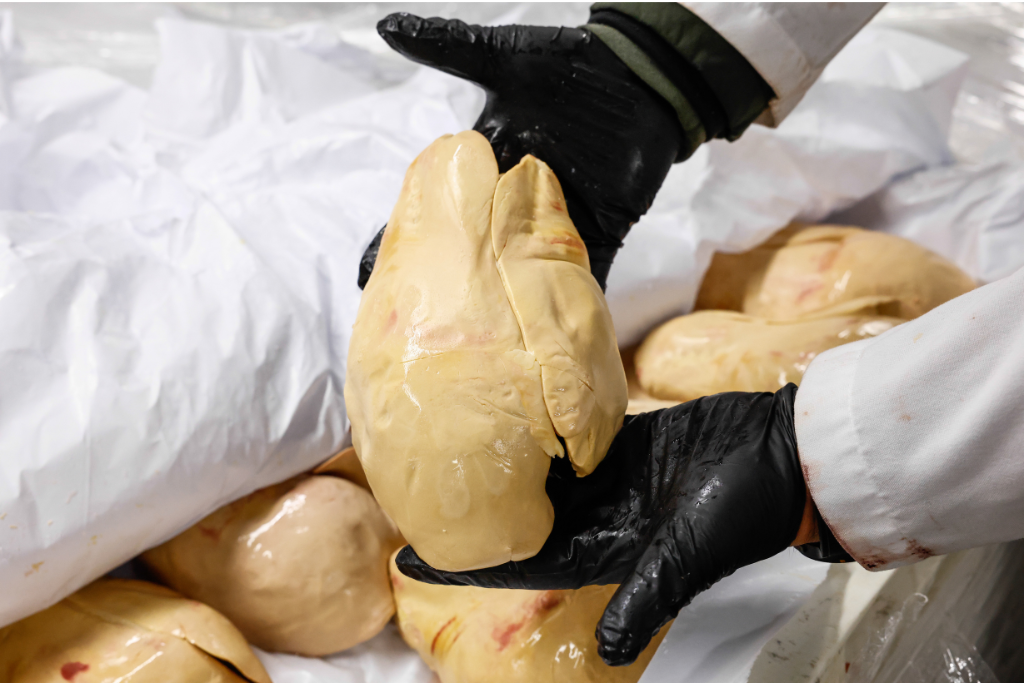
What is Hudson Valley Foie Gras? As a federally classified Large Confined Animal Feeding Operation (CAFO)*, it is the largest of two New York farms responsible for producing virtually all of the foie gras sold in the United States.
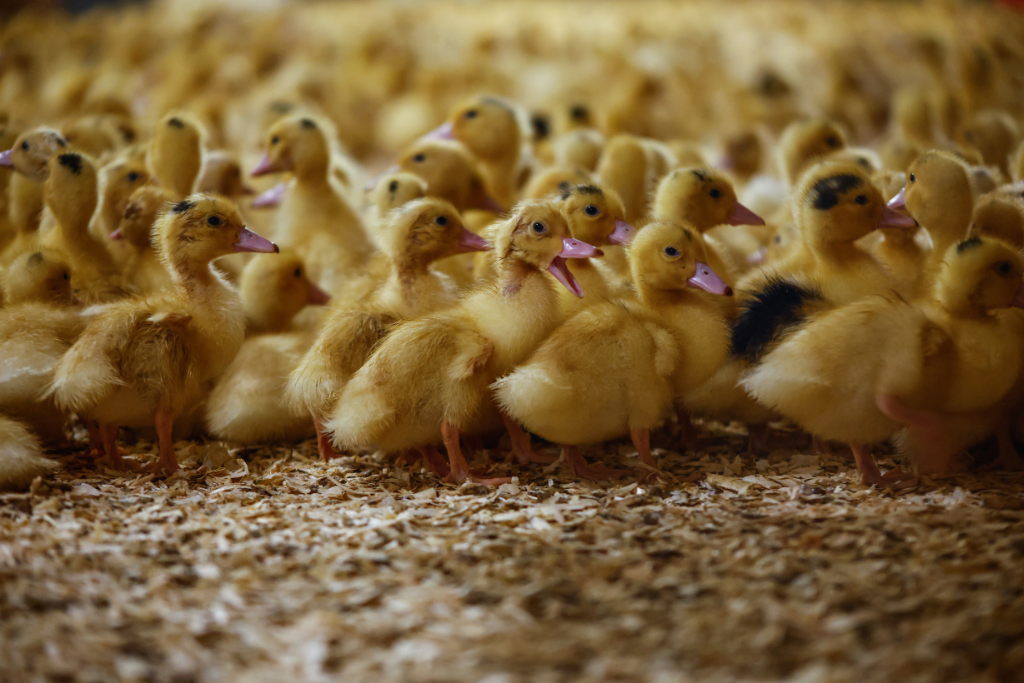
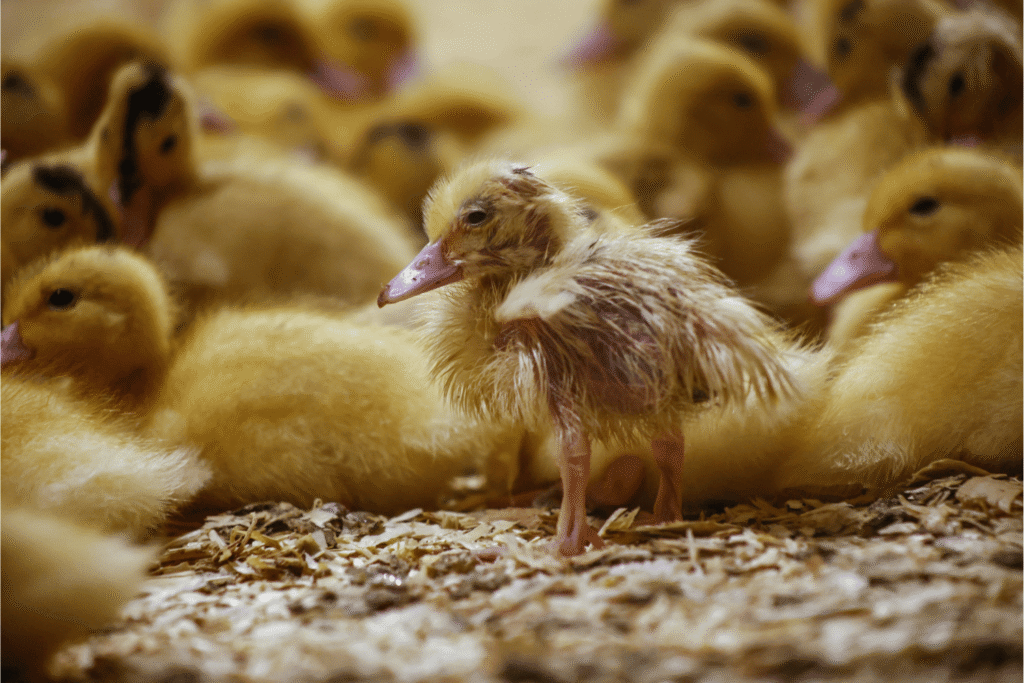
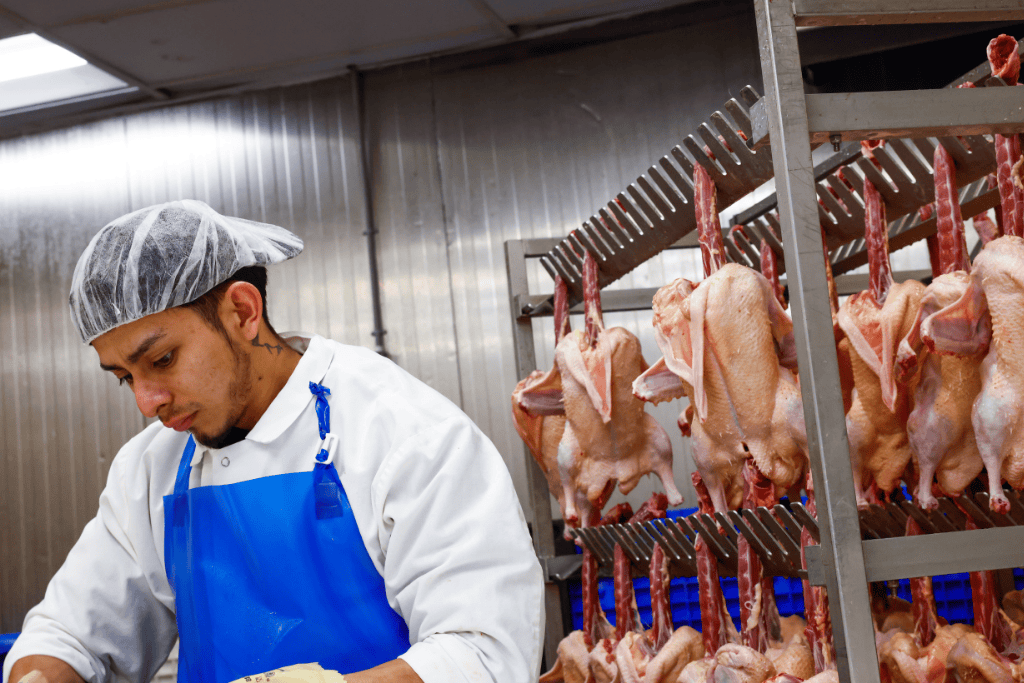
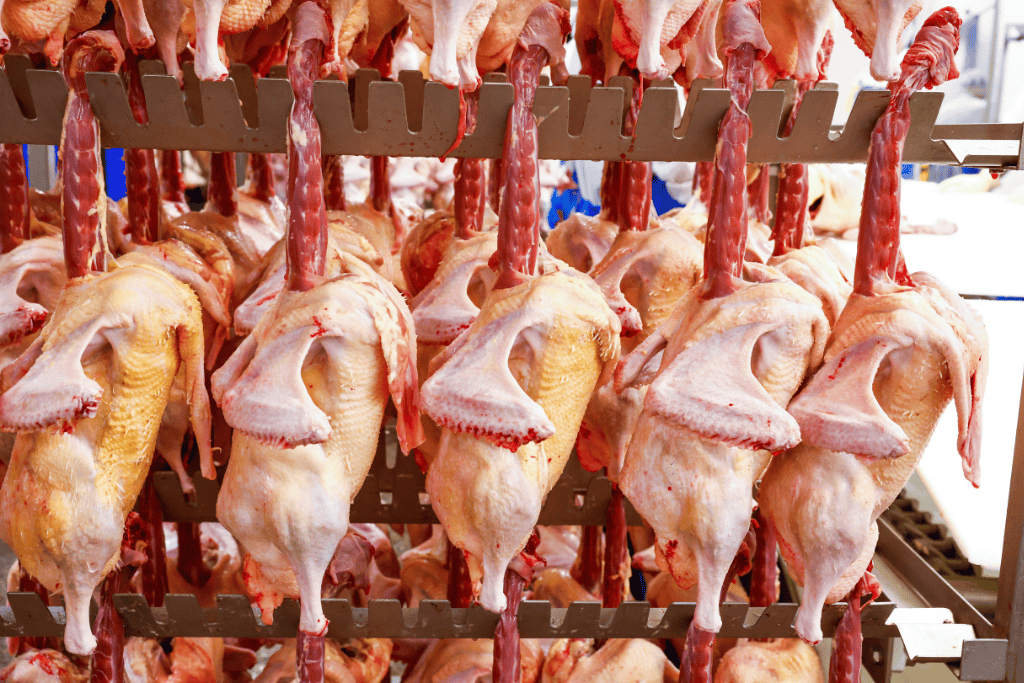
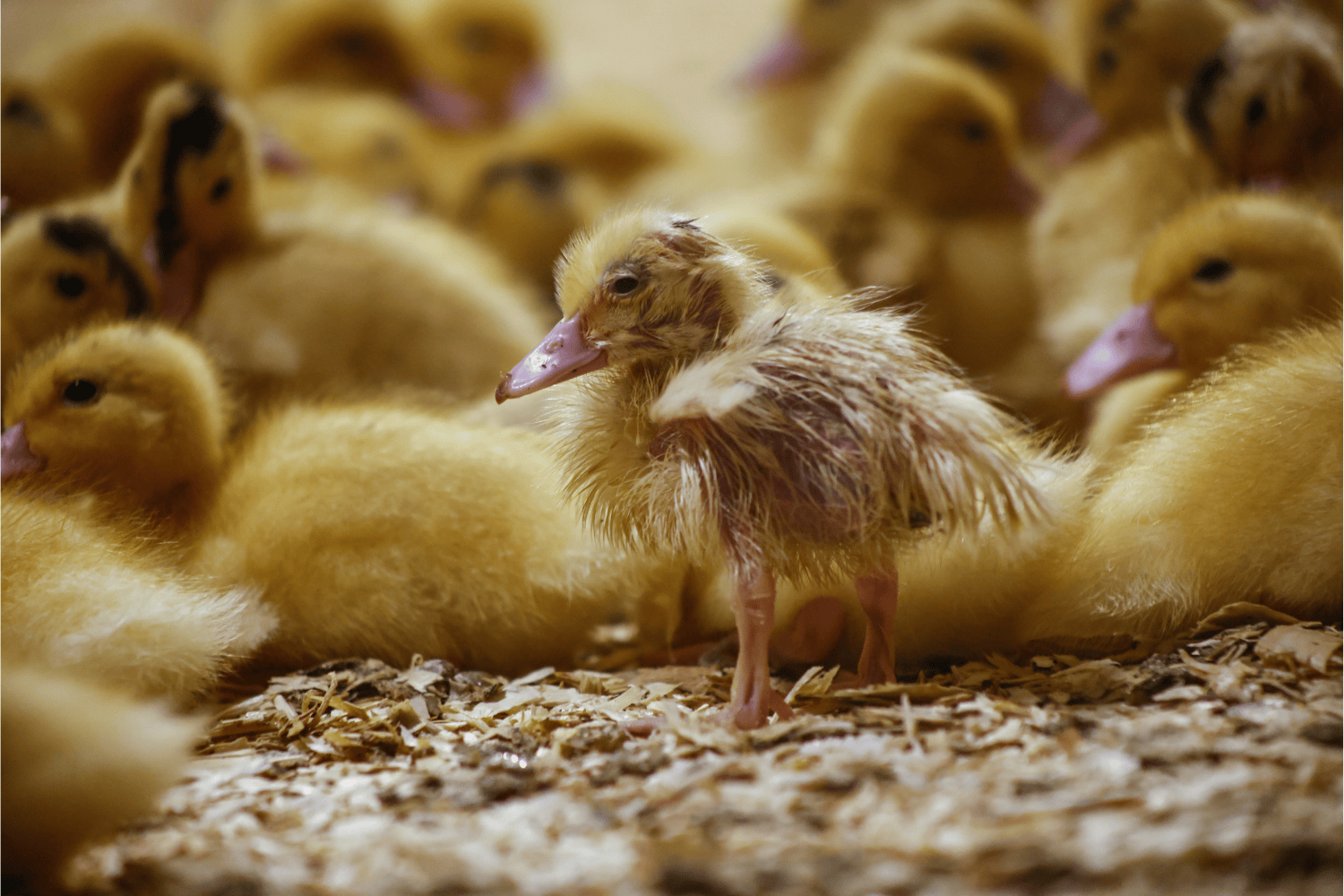
Approximately 10,000 ducklings arrive at this farm every week. They spend their first four weeks in a nursery barn, then eight weeks in a growing barn before being moved into the force-feeding pens. After three weeks of three force-feedings a day, the ducks are killed and their diseased livers are sold as foie gras. Unlike most factory farms, Hudson Valley actively invites the public to tour its operation, a strategy its own management has described as a deliberate choice to project transparency.
The independent photojournalist was invited to tour the farm on February 19th, and captured these video clips and photographs with permission from the farm. This is what they found:
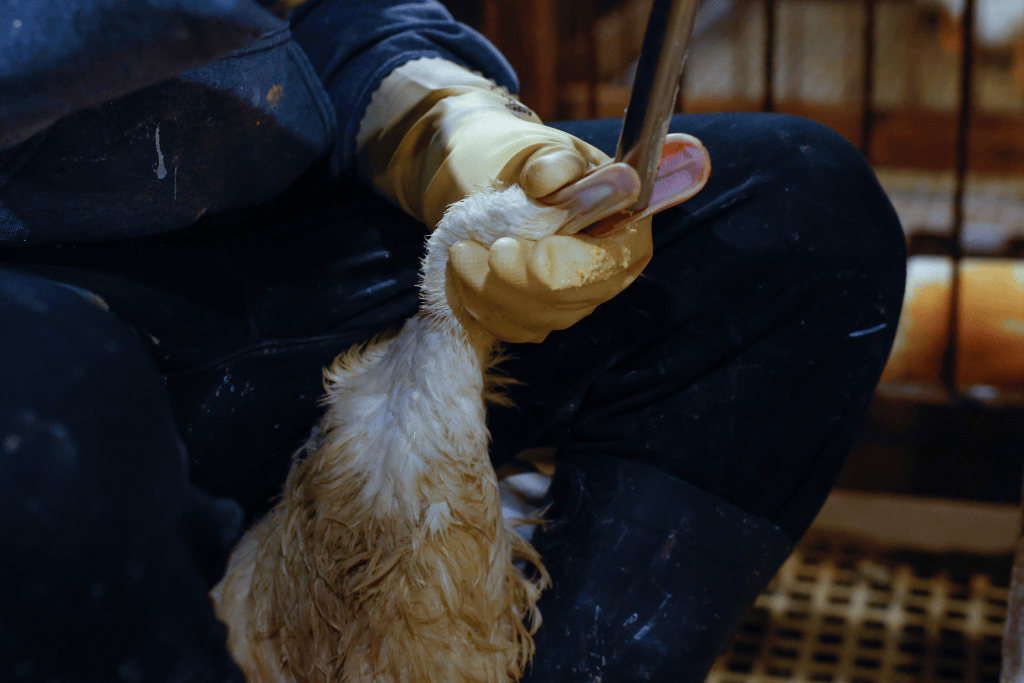
1. Hudson Valley Force-Feeds Birds using Long Metal Pipes.
Hudson Valley’s Farm Manager has claimed that their ducks “show no signs of discomfort before, during and after the feeding process,” but the footage shows otherwise. In one clip, a worker is seen grabbing a duck by the wing and dragging him across the pen to position him for feeding. While immobilized, ducks are seen moving their tongues, which may be an attempt to vocalize in distress. The workers then hold the ducks beaks open and insert a thick, metal tube directly into their esophagus.
At Hudson Valley, workers use a mechanized pump driven by compressed air to force-feed birds in a matter of seconds. According to a leading meat industry newspaper, each employee is responsible for feeding 450 birds per hour. The volume of food forced into each bird is visible in the video footage: their crop (a muscular, expandable pouch in the esophagus) swells visibly, like a balloon being filled with water.
2. Photos Reveal Sick Animals Covered In Their Own Waste.
The images show ducks being kept in small pens, forced to stand on plastic grates coated in accumulated feces and urine. There is no bedding or rest area in the pens. The feathers of every bird appear visibly wet, brown, and soiled. Their eyes appear inflamed and leaking discharge, symptoms consistent with crusty eye, a condition that affects nearly half of all ducks raised without access to bathing water deep enough to submerge their heads. Ducks are a semi-aquatic species that depend on water to keep their eyes and nostrils clear.
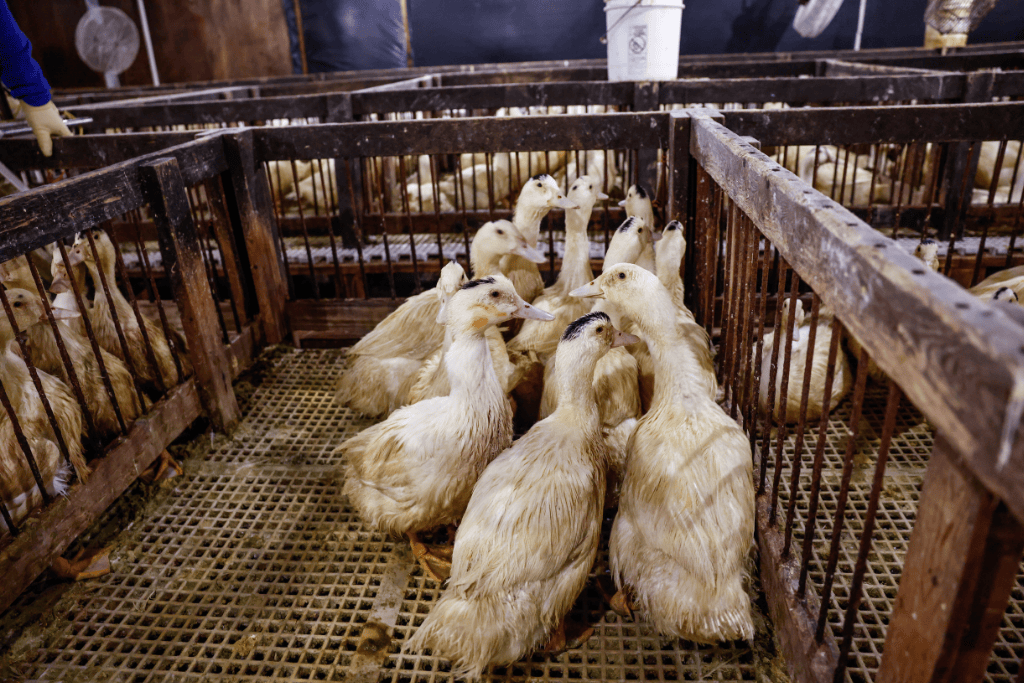
3. VIDEO Evidence Shows Ducks AVoiding The Feeding Tube.
For decades, the foie gras industry has spread propaganda falsely claiming that the ducks ‘line up to be force-fed’, citing old videos like this as evidence. The latest footage confirms what has already been clearly documented: this myth has never been true. What is actually happening is the workers are using wooden sorting panels (known as ‘crowd-gates’) to trap several ducks near them so that they are easier to grab, giving the false appearance that the birds are ‘lining up to be fed’.
Video footage captured by the photojournalist reveals a group of ducks cowering in the opposite corner of the pen while one is being force-fed. The group of ducks avoid eye contact with the worker, shove each other forward, try to climb on top of one another, and one even attempts to spread their wings. It’s obvious that the birds are clearly trying to get as far from the worker and feeding tube as possible. According to a peer-reviewed study from Cambridge University, this behavior is clear evidence that the ducks see force-feeding as something to be avoided.
4. Hudson Valley Foie Gras Is Lying to the Public.
In a 2021 piece from Business Insider, Hudson Valley Foie Gras’ Farm Manager made the following statement:
“We’re not harming them. We’re making them happy by feeding them.”
On their website, the company claims that they ‘provide the best possible care for their animals’. But this is all humane-washing, a deceptive marketing tactic where animal products are labeled with misleading, vague, or unregulated terms to imply high welfare standards and hide the realities of industrial factory farming from consumers.
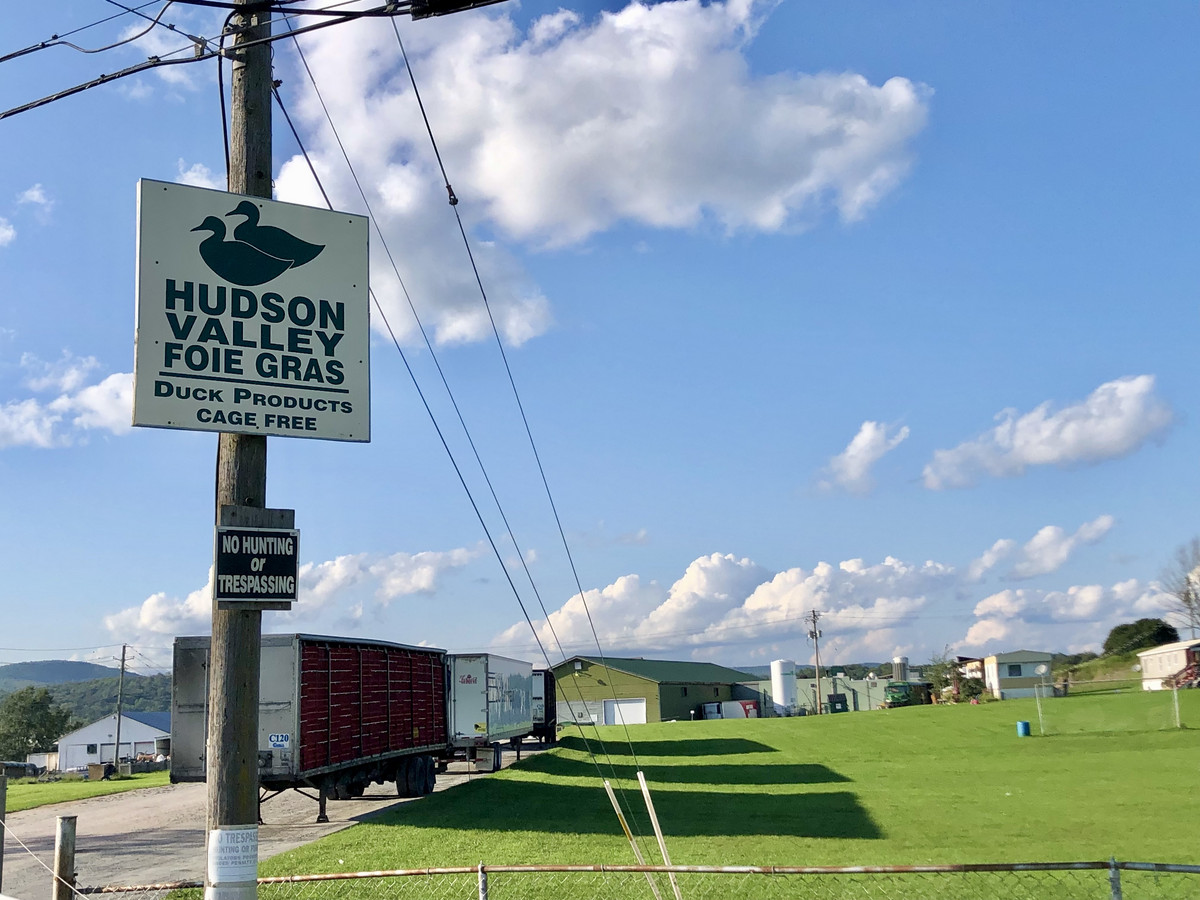
(Photo Credit: Jeff Coltin/POLITICO)
Hudson Valley markets itself as a ‘cage-free‘ facility, yet their animals live inside a factory farm with 90 thousand other birds, never feeling sunlight on their back or grass beneath their feet, and are slaughtered at just 15 weeks old. When you look critically at the footage, it’s clear that ducks at Hudson Valley Foie Gras are not ‘happy’ or ‘well-cared for’, and that this company is misleading restaurant owners and the general public.
And regardless of the conditions where the animals are raised, every commercial foie gras producers’ business model relies on force-feeding animals until they develop hepatic lipidosis (fatty liver disease), something researchers have concluded pushes ducks to the edge of organ failure. After force-feeding birds was prohibited in California, Sonoma County Foie Gras had 7 years to comply with the new law. Instead, they permanently shut down because the farm could not find a way to produce foie gras without force-feeding.
5. Nearly 9 in 10 Americans Support a Ban on Force-Feeding.
While some chefs still believe Hudson Valley’s marketing rhetoric, most Americans aren’t falling for it. In a recent study, a representative sample of 5,665 Americans were asked whether they believe that “Foie gras is typically produced in a humane way”. Only 9.5% agreed with the statement. The participants did not receive any information prior to answering the question.
The same study found that 89% of U.S. adults support banning the practice of force feeding ducks and geese, and 87% support banning the sale of foie gras produced through force feeding. The sale of force-fed products is already prohibited in the State of California, New York City, Pittsburgh, and Brookline, MA, and force-feeding has been outlawed in 20 countries. It’s only a matter of time before more voters and elected officials take action, forcing factory farms like Hudson Valley to leave cruel force-feeding behind.
*We estimate Hudson Valley has at least 90,000 ducks on site at any given time by multiplying the weekly slaughter rate (6,000 fatty livers produced) by the length of a foie gras duck’s life on the farm (15 weeks).
Hudson Valley Foie Gras – Video Archive
Below is a collection of other videos filmed by various individuals over the years at Hudson Valley Foie Gras. Other than slight variations in feeding tube technology, it’s clear that not much has changed.